Pesto and the Art of Procrastination

It’s Sunday evening and my computer screen mirrors my blank stare. That grant proposal that I’ve been meaning to get to has not magically written itself. The coming week is going to be beastly.

It would really be best to just finish the proposal tonight.

Seriously.

All three email accounts are checked. The dishes are done. The litterbox is clean. Hell, I’m procrastinating so hard that the plants are even watered.

Write, damn it.

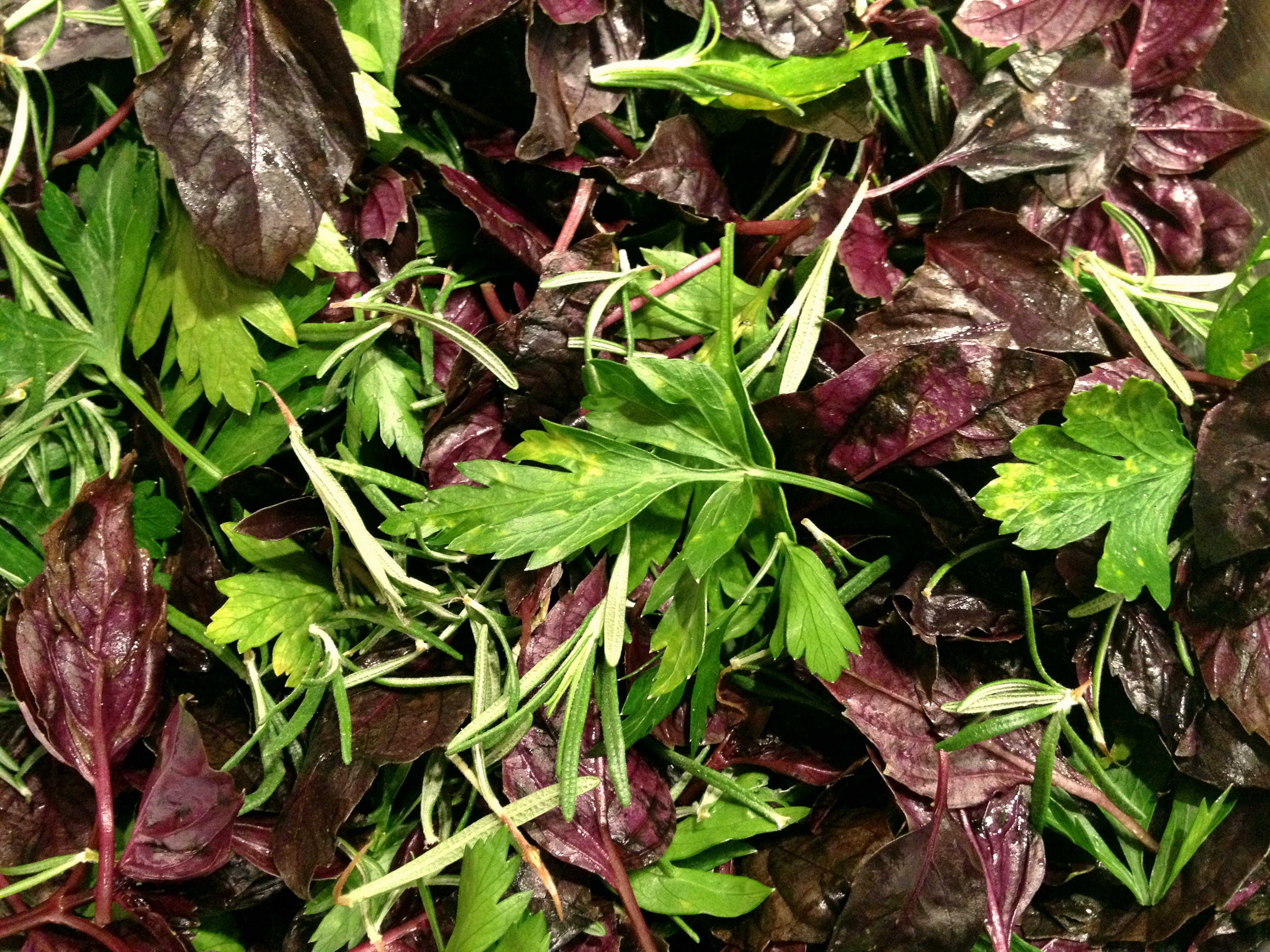
Wait! Isn’t there a bouquet of purple basil that was brought by a brunch guest and is still languishing in the fridge? I don’t imagine that rosemary plucked from my dad’s front yard will be good for much longer. And what of the parsley that arrived in last week’s CSA share?

Screw the grant proposal; there’s pesto to be made!
  1. Toast a handful of pine nuts, walnuts or whatever else you have on hand in a cast iron skillet over medium low heat. Be sure to watch the nuts closely and stir frequently once they start to brown, as there’s a fine line between toasted and burnt.
  2. Rinse and stem your herbs. While basil is traditional, you can make a pesto with just about any herb. I have a particularly fond memory of a cilantro jalapeño and lime pesto that I used to top some grilled pork chops. In this case, I used the aforementioned purple basil, rosemary and parsley. I suspect that it will pair nicely with roast lamb or merguez.
  3. Toss your toasted nuts, a clove of garlic or a garlic scape, and the fresh herbs into a food processor and grind until you’ve got a coarse paste. This will likely necessitate scraping down the work bowl a few times. I find that it helps to start by pulsing. If it really won’t get going, just move on to Step 4. It’s all good.
  4. While cheese isn’t necessary, it is delicious. Mix in a cup or so of finely grated Parmesan, Romano or other sharp hard cheese. (This is an excellent use for that dried out hunk in the back of your cheese drawer.) If you do not already have one, I highly recommend acquiring a rasp, which is often referred to as a microplane in kitchen supply stores. It will make short work of hard cheese, citrus rind, whole nutmeg and your knuckles. Be careful!
  5. With the food processor running, gradually add a stream of extra virgin olive oil until your pesto reaches the desired consistency. I tend to go with less oil, which yields a thicker pesto, assuming that I can always loosen it up later if need be. In this case I used about half a cup of oil. Since you will not be cooking the pesto, this is the time to bust out the good stuff.
  6. At this point, you can call it pesto, but I find that a little tweaking helps. The pungency of the herbs, the saltiness of the cheese, and the grassiness of the olive oil will all impact the flavor. So taste it and adjust as you see fit. In this case, I added the zest and juice of one lemon to brighten the woodiness that the rosemary imparted. I added a little more salt and a healthy dose of freshly ground black pepper because I’m into that. Sometimes a pinch of sugar does the trick. Trust your tongue.

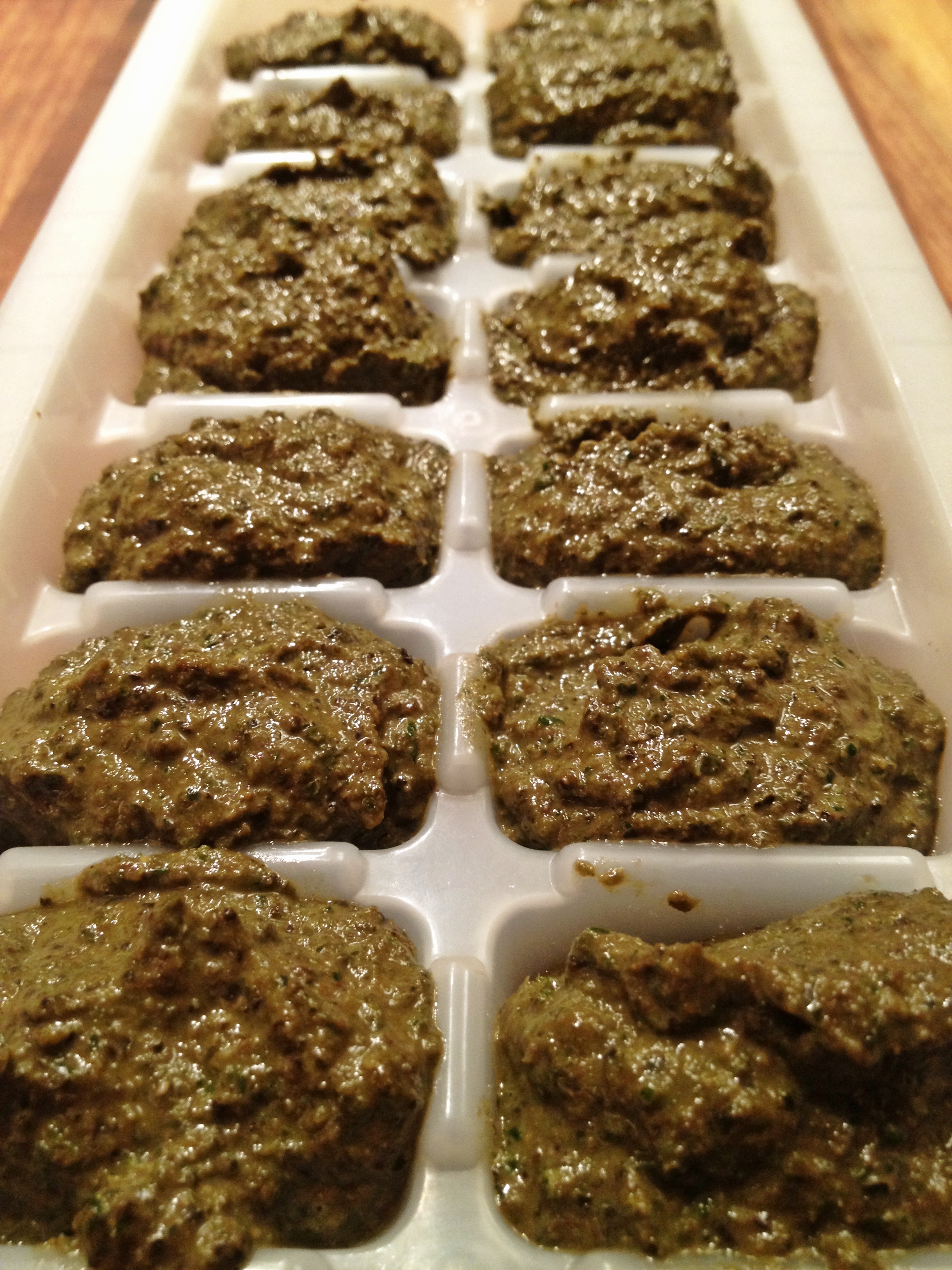
Pesto freezes brilliantly. I like to spoon it into ice-cube trays, freeze it overnight and then toss these cubes into a plastic baggie so that I can defrost just what I want on a given night.

The nights are getting colder and the air has that crisp feeling that signals the end of summer. Soon acorn squash and beets will replace the sweet corn and tomatoes and the notion of an overabundance of fresh herbs will seem laughable. Pesto cubes will be a welcome reminder of summer come January.
Baltimore Brunch (with Figs!)

While passing through Baltimore on vacation, I met a couple of lovely artists, David Page and Lauren Schott. Over a dinner that featured two kinds of bone marrow and necessitated a trip to the basement to use power tools, it came out that Lauren and David had three fig trees in their backyard and more figs that they could handle. Fueled by marrow and a good bit of wine, I invited myself and my Baltimore hosts Beth and Don to a fig picking brunch.

Two days later, we arrived bearing a basket.

Lauren explained how to identify the figs that were ready for picking (they’ve started to split at what I like to think of as the belly button) and we got to work.

This is about two-thirds of what we picked. And Lauren assured us that there would be just as many the next day.
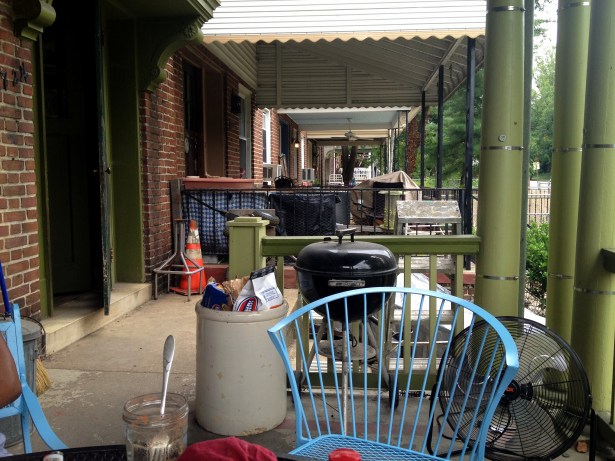
Fig picking completed, we retired to the front porch, which has a distinctly Baltimore feel to it.

Lauren poured a round of bloody marys that she made using tomato “seconds” from the farmers market. They hit the spot.

Lauren and David’s two giant dogs stuck close to her as she prepped for our first course on a Weber grill in the front yard.

Grilled figs stuffed with blue cheese are good. A little freshly ground pepper makes them even better.

Eggs cooked inside of Canadian bacon cups and toasted peasant bread followed. Lauren did this all on the grill, using a cast iron muffin tin to cook the bacon and eggs. Cooking eggs for a crowd can be tough. (I frequently resort to a frittata or quiche, which can be prepared all at once and served hot or at room temperature.) I made a note of this technique.

When we had finished eating, David took me and Beth on a tour of his studio space and some of the pieces that he was working on for an upcoming show in Philadelphia. This mask is part of a head-to-toe suit that will be worn by a volunteer during the show. David was kind enough to humor us. It was dark in there.

I could have spent the rest of the day hanging out on Lauren and David’s front porch, but I imagine they had other things to do–and I had a train to catch–so off we went with our basket of figs.

Two weeks later, as I sat at my desk contemplating a mountain of work, a package arrived. Apparently Don had been busy. It contained jars of homemade fig pickles and fig barbecue sauce. The fig love continues.

Rice and Peas de Provence

I’ve been laying low since getting home from the beach, resting up in preparation for my return to work and–after a 16-year hiatus–my return to school. I’m starting the Master’s Program in Food Studies at New York University tomorrow. My weekend goals included finishing the baby blanket for my nephew (just need to weave in the loose ends), the juicy novel I started at the beach (33 pages to go), and season 3 of Mad Men (done).

Ordinarily, my little corner of Brooklyn is a pretty quiet place. But each Labor Day millions (yes, millions) of people descend on my neighborhood for the West Indian Day Parade. The bump bump of giant speakers loaded onto flatbed trucks and the aroma of jerk chicken cooking on steel drum grills waft through the air on what I’ve come to view as the last day of summer.

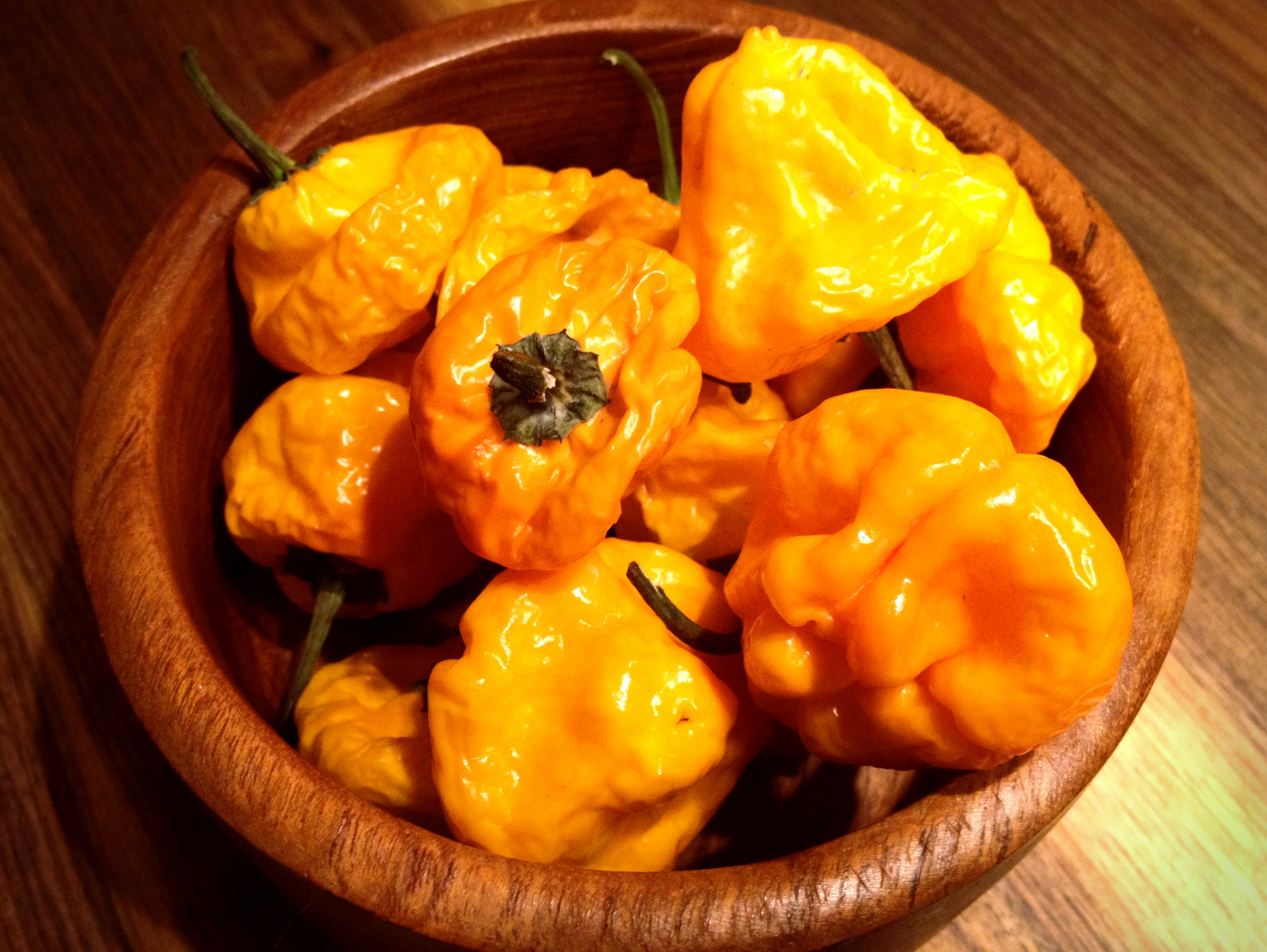
But a week and a half of vacation eating have left me craving vegetarian fare and the cupboard is pretty bare. Rooting through the fridge, I found some celery, garlic and red onions left over from my CSA share. On the counter were dried French lentils that I’d bought on a whim just before leaving town, some unnamed Caribbean hot peppers my stepmom had picked up at Spence’s Bazaar (a must if you find yourself in or around Dover, Delaware) and dried porcini mushrooms that I’d bought at Byler’s (a country variety store in Dover that’s also worth a visit).

Clearly, a West Indian-Provencal mashup was in order…

Rice and Peas de Provence

  • 1/2 cup dried porcini mushrooms
  • vegetable stock (I’ve taken to keeping a jar of Better Than Bouillon on hand)
  • 1 bay leaf
  • 1 tbsp herbes de provence (or an equivalent amount of thyme, rosemary, savory, fennel and/or basil)
  • 2 whole allspice berries, crushed into a fine powder
  • 1 cup red wine
  • 5 cloves garlic, peeled and sliced
  • 1 Scotch bonnet or other hot pepper, cut in half and seeded
  • 3 stalks celery, diced
  • 1 cup French lentils (the small ones)
  • 1 1/2 cups long-grained rice
  • 1 1/2 tablespoons butter (you could use canola or vegetable oil to make this a vegan dish)
  • 1 large red onion, thinly sliced
  • 1/2 lemon
  • salt and pepper
  • Scotch bonnet or other Caribbean hot sauce
  1. Bring 4 cups of vegetable stock or 4 cups of water with bouillon to a boil in a medium-sized heavy pot and add dried mushrooms, breaking up any large pieces. After five minutes, add the bay leaf, spices, wine, garlic, pepper and celery and let boil for an additional five minutes.
  2. Add lentils, lowering heat to a simmer. After five minutes, add rice. Let simmer for 25-35 minutes, stirring gently and adding small amounts of water as needed, until lentils and rice are just tender. Turn heat off and top with a tight-fitting lid.
  3. Melt butter over medium-low heat in a small pot and then add onion. Cook until onions are very soft, stirring frequently. 
  4. Remove bay leaf. Add cooked onions, lemon juice salt and pepper to taste. If the dish is spicy enough for you, remove and discard the pepper. Alternately, you can mince it up and add it back to the pot, which is what I did.

I’m meeting a neighbor at 7:00 for a little rooftop dining. I plan to serve this with some Scotch bonnet pepper sauce that I picked up in the Bahamas and a Vinho Verde that I have on hand, although I suspect that some ice-cold beer would also do the trick.

Beach House Chicken Salad

Greetings from Rehoboth Beach, Delaware.

After a morning round of sunning, swimming and snoozing under the umbrella, I headed back to the house to see what I could dig up for lunch.  We’re at the tail end of a weeklong beach trip and have collectively agreed not to purchase any new groceries and instead focus on consuming what we have amassed.

Beach House Chicken Salad

  1. You know that marinated chicken that you grilled but couldn’t finish because you were also serving kale salad and grilled okra, corn, and the leftover mushroom and green bean risotto stuffed into some zucchini and eggplant that were begging to get used?  Well grab yourself a nice glass of ice water and start picking that chicken.  Two large split breasts should be plenty.  (Someone might want the leftover drumsticks later tonight.)  Remove the skin, bones and any less desirable bits.  Tear the rest into small pieces.  
  2. Now open the fridge and assess the condiment stash left by previous renters.  Half a cup of mayonnaise and a quarter cup of Dijon mustard will do just fine.
  3. Check the crisper and see what farmers market bounty you’ve failed to consume.  While mojitos were a great idea, somehow you never got around to using that mint.  And, despite having been liberal with the grilled skirt steak and homemade pizzas of nights past, you’ve still got an awful lot of basil.  Mince your herbs while pondering whether or not to take a shower.  Convince yourself that the fine film of sand will protect you from UV rays.
  4. Get another glass of water (it’s hot out there) and assess the pantry items that are spilling across the washer and dryer.  Something crunchy and something sweet would be great.  Grab a handful of roasted almonds, stick them in a plastic baggie and crush them with an empty wine bottle.  (Plenty of those on hand).  No raisins but, lo and behold, there are dried cranberries which are EVEN BETTER.
  5. Mix it all around, taste and season as you see fit.  A little balsamic and some fresh-ground black pepper can work wonders.

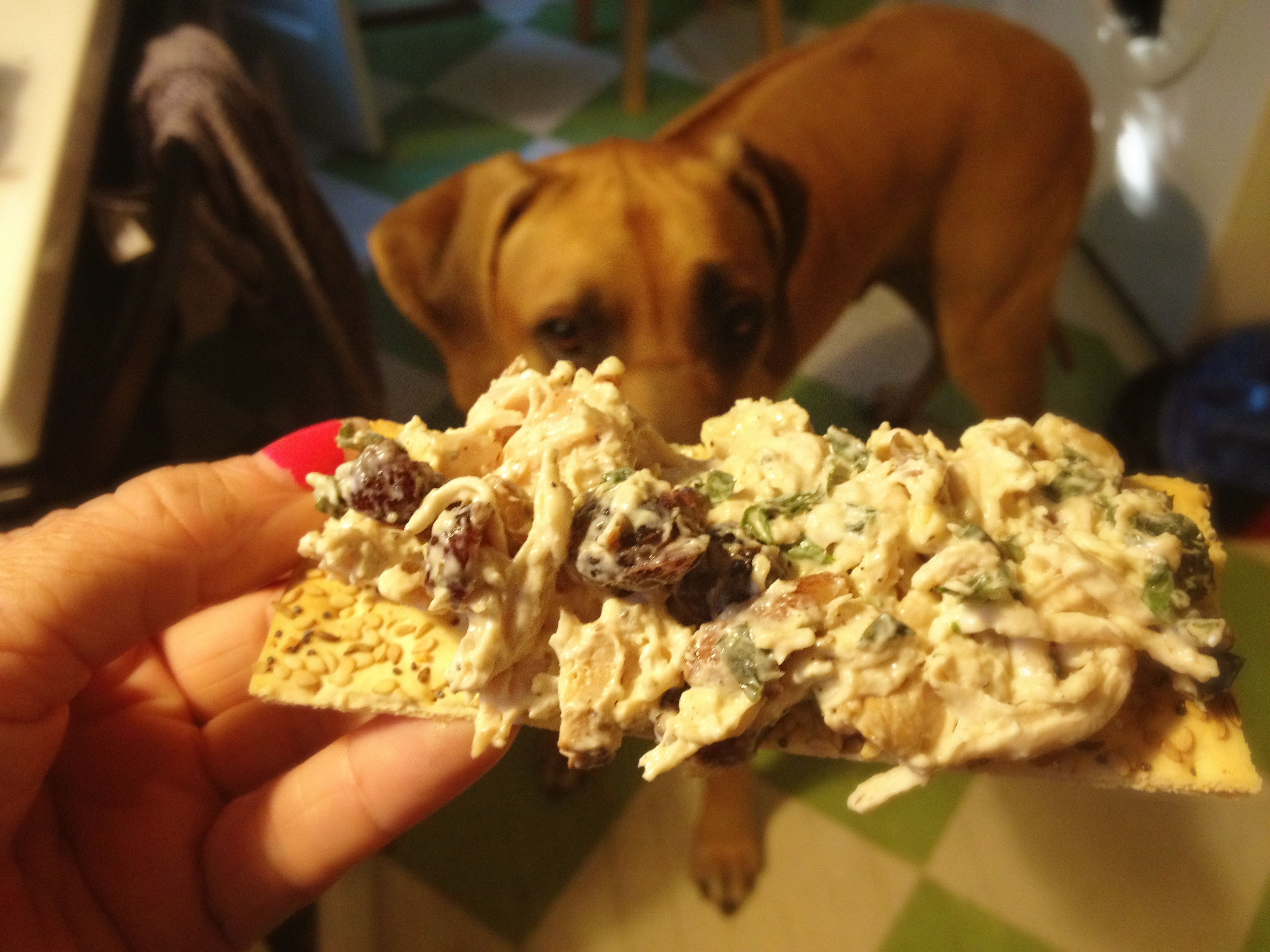
Your housemates will sing your praises as they roll in from the beach.  They will enjoy it on top of the leftover kale salad, as a sandwich on some slightly stale French bread, rolled up in a tortilla with some fresh tomato and, yes, straight from the bowl.  You will enjoy it on a cracker after your second trip to the beach, still in your bathing suit, standing at the kitchen counter, Campari and soda in hand, while the house dog, Obie, gazes on longingly.

The Hungover Fig

I’m kicking off a two-week vacation with a few days in Baltimore visiting good friends who are serious foodies.  Last night we hosted a truly decadent dinner party that featured two kinds of roasted bone marrow and a whole lot of wine.  Unsurprisingly, I woke up feeling less than stellar this morning.

I dragged myself downstairs for coffee and was delighted to recall that one of our dinner guests had left fresh figs from her yard.  I trimmed the stems off and scored the figs into quarters before topping them with some rather pungent sheep’s milk feta and a drizzle of raw honey.

I ate this standing at the kitchen counter.  Midway through, one of my hosts appeared and tipped me off that there was fresh mint growing in the backyard, so I sprinkled some small leaves over the top.  This dish is so simple and so delicious and works with all kinds of cheese.  I am particularly fond of ricotta and soft goat cheese.

As I polished off the last of the figs, I remembered that we scored an invitation for brunch and fig harvesting on Saturday before I head down to the beach.  Life satisfaction is high at the moment.

Pasta Alla Eliana

My sister Eliana continues to camp out on an air bed where my dining table usually resides.  The regular reader (anyone?) will recall that she is 16 and vegan.  One of my goals for Eliana’s visit is to teach her some cooking fundamentals so that she can feed herself healthy meals at college and beyond without relying on exorbitantly priced prepared items from Whole Foods.

Today’s CSA share included a giant eggplant, some purple basil and an abundance of glorious tomatoes.  I was thinking Pasta Alla Norma, which is a traditional Sicilian pasta dish with fried eggplant, tomatoes, basil and ricotta salata.  Ricotta salata is an Italian cheese that’s a lot like feta in its crumbly texture but with a less sharp flavor.

But I am feeding a vegan…

Pasta Alla Eliana

  • 1 large or 2 medium eggplant, cut into cubes
  • 4 tbsp (or so) olive oil
  • 5 cloves garlic, minced or pressed
  • 1/2 tbsp crushed red pepper or to taste
  • 4 ounces tempeh, cut like lardon (roughly half the size of a matchstick)
  • 1/2 tbsp soy sauce
  • 3 large tomatoes, roughly chopped
  • 1-3 tbsp red wine vinegar (depending on acidity of tomatoes)
  • 10 ounces whole wheat ziti or other large tubular pasta
  • 20 fresh basil leaves
  • 3/4 cup vegan mozzarella shreds
  • 3 tsp nutritional yeast
  • salt and pepper
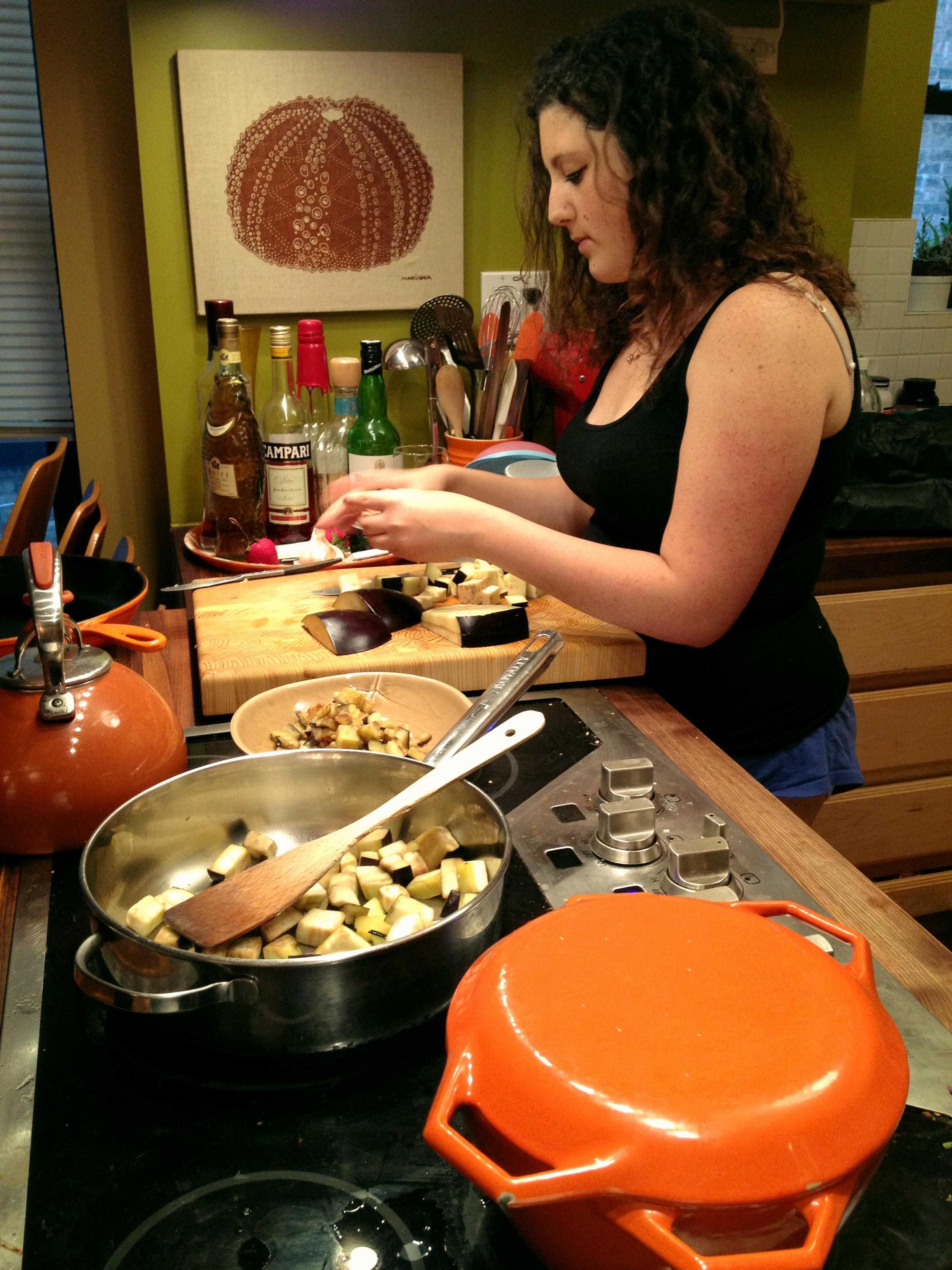
  1. Heat 1 tablespoon olive oil in a large heavy-bottomed pan over medium heat.  (Nonstick would be easier, but I don’t own one and it was fine so long as we made sure to scrape the bottom regularly.)  Add the eggplant in batches so as not to crowd the pan, pouring another tablespoon of olive oil into the pan before each batch.  Cook eggplant, stirring occasionally until browned and softened.  Add all of the eggplant back to the pan along with the garlic, red pepper flakes and salt and pepper.  Cook, stirring constantly and scraping the bottom of the pan, for a few minutes until you smell the garlic toasting.  Remove from pan.
  2. Put a pot of salted water on to boil.  Heat another tablespoon of olive oil and add your tempeh as well as the soy sauce.  (I know that the soy sauce seems odd here, but it will help give the tempeh a flavor that mimics the guanciale or other cured pork product I would ordinarily be tempted to include.)  Cook stirring constantly until the tempeh is nicely browned and then add your tomatoes.  Cook for a few minutes, throw the eggplant back into the pan, stir in a tablespoon of red wine vinegar and let simmer, adding a little water if it starts to dry out.  
  3. When the water boils, add your pasta and cook until just before al dente (about two minutes less than the package instructs).  Scoop the pasta directly into your sauce, allowing some of the pasta water to transfer, and simmer for a couple of minutes, stirring occasionally, until sauce begins to stick to pasta.  Taste and adjust seasoning with salt, pepper and vinegar as you see fit.
  4. Dish pasta into individual bowls, topping each with 1/4 cup of the vegan mozzarella, torn up basil leaves and a teaspoon of nutritional yeast.  (While this last ingredient is definitely not necessary, it will lend a cheesy flavor.  And, since it was a staple of my childhood, I’m going to assume that it has some nutritional value.)

This provided a solid dinner for two people with enough leftovers for Eliana’s lunch tomorrow.  Here’s what it looked like once we mixed it up.

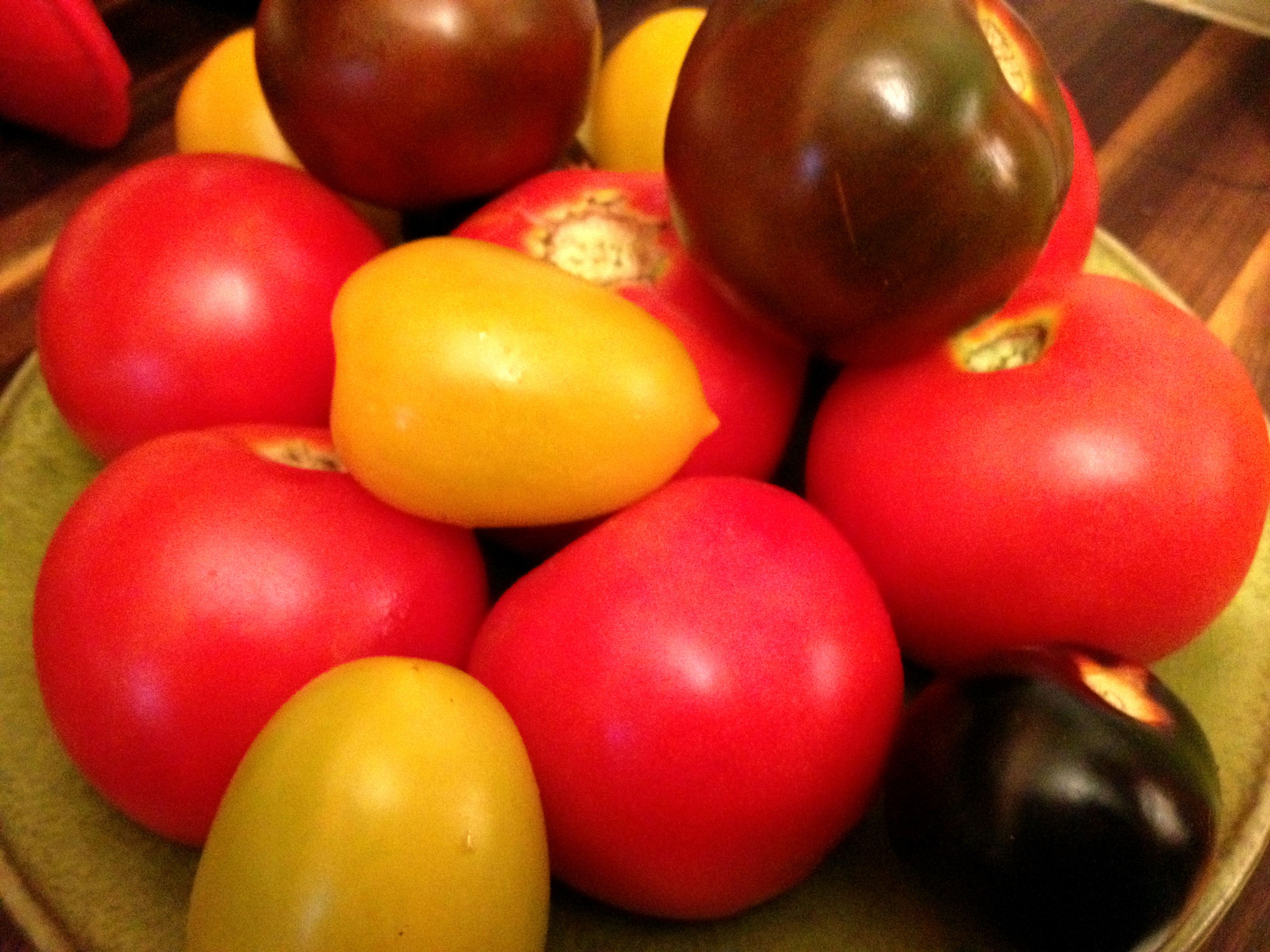
And here’s a little tomato porn, just because.

A Salad for Sailing

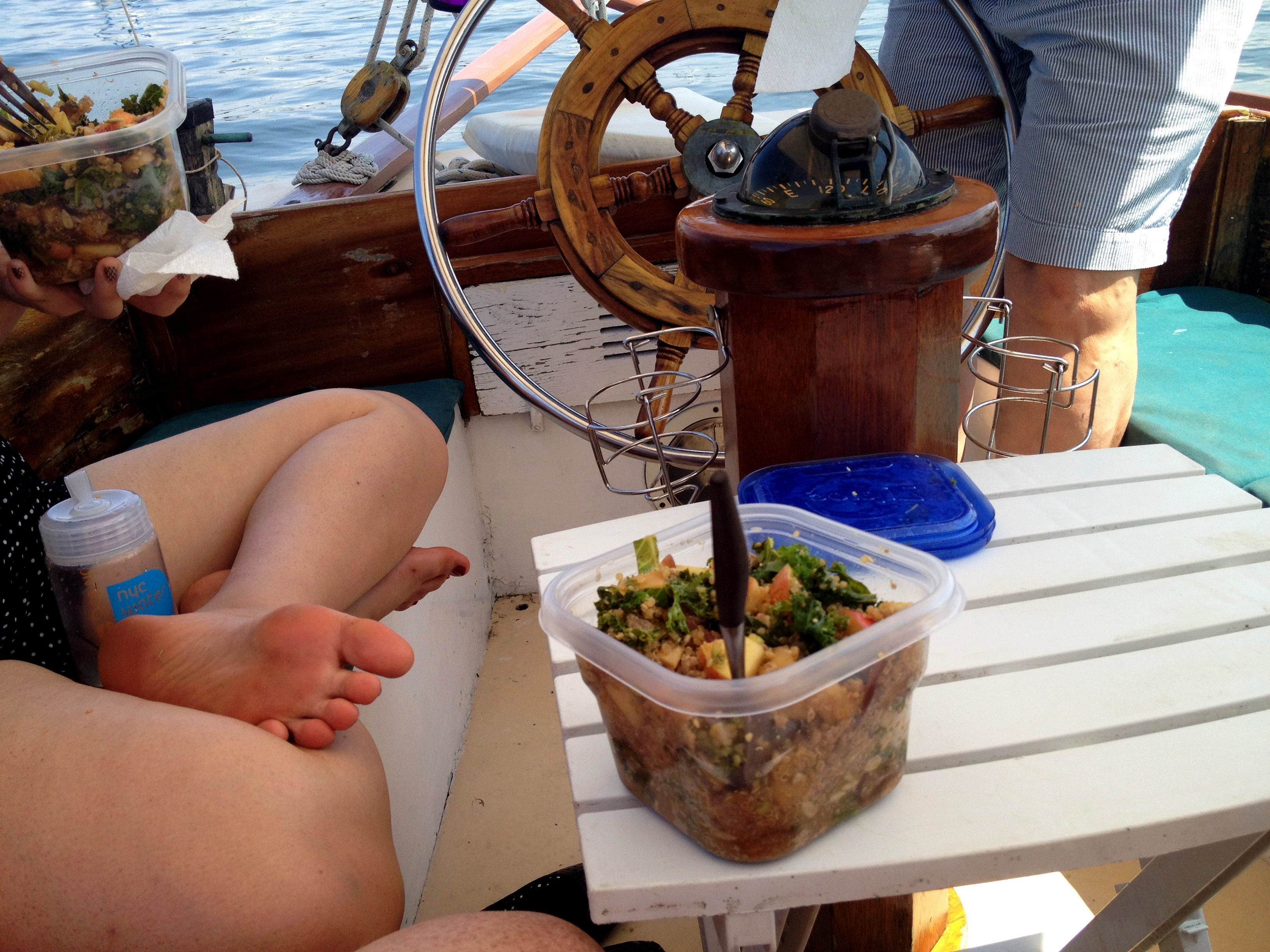
I spent the day on a 75-year-old wooden sailboat owned by dear friends that’s docked in Oyster Bay. My sister Eliana, who’s staying with me for a couple of weeks, is vegan, so I got up early to pull together a protein-packed salad that doesn’t require refrigeration.

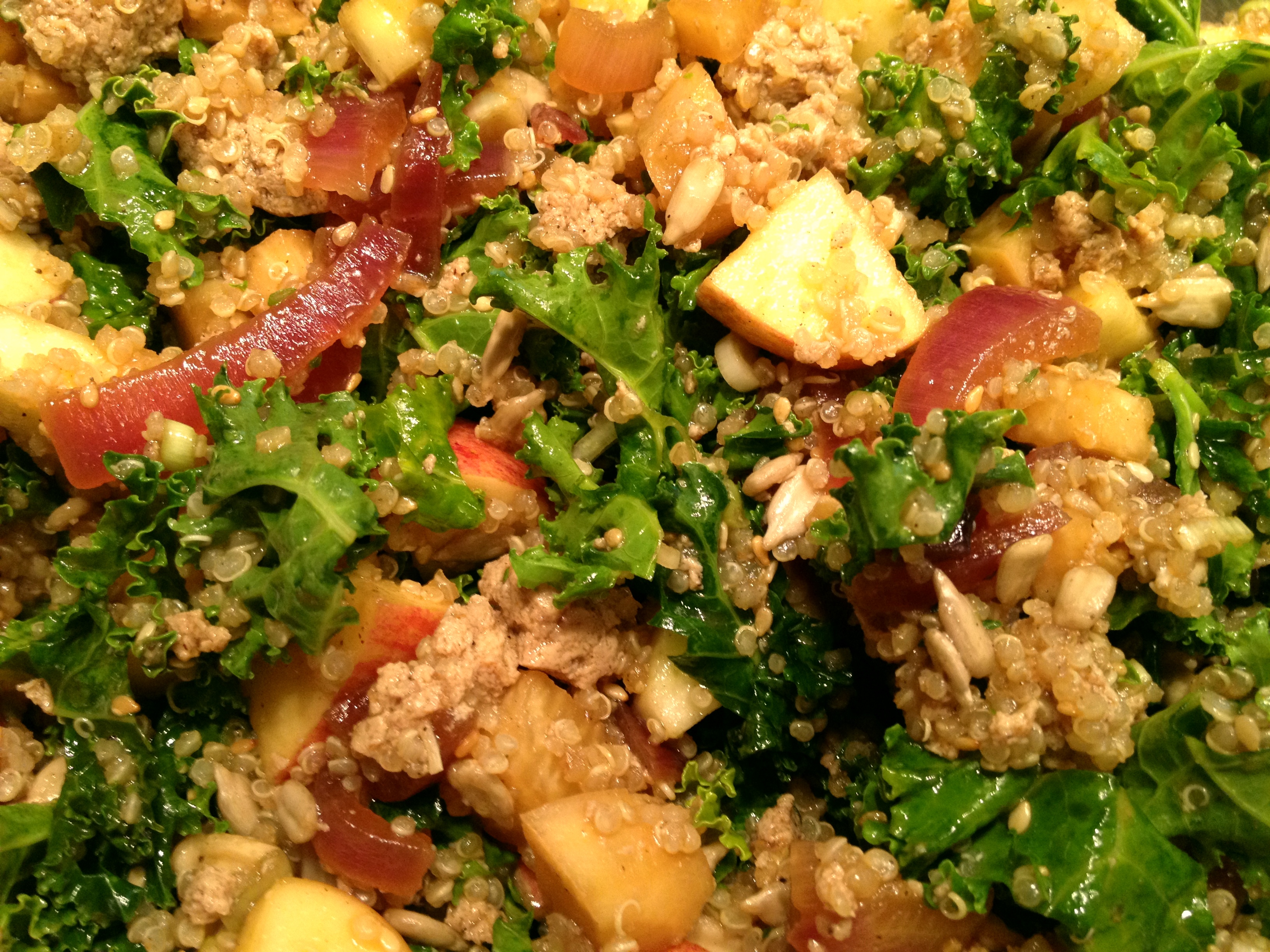
A couple of months ago I stumbled across a new technique for preparing tofu. When you freeze tofu, it takes on a radically different texture. Ideally, you would press it to release as much liquid as possible and then wrap it in cheesecloth before freezing it, but I’ve gotten decent results by just tossing a drained block into the freezer in a plastic container. When you take it out, the tofu will have yellowed and developed air pockets where the water has been sucked out. If you then simmer it in liquid, the tofu holds together much better and also takes on the flavor of the liquid.

Kale and Quinoa Salad with Candied Five-Spice Tofu

  • 1/2 container firm tofu – frozen, defrosted and cubed
  • 1 red onion
  • 1 kohlrabi bulb, peeled and cubed
  • 1/4 cup soy sauce
  • 2 tbsp sesame oil
  • 1 tbsp fish sauce (can be omitted for vegans)
  • 1/2 tbsp Chinese five-spice powder (or some combination of cinnamon, star anise, anise seed, ginger, cloves and/or fennel)
  • 1 pinch cayenne pepper
  • 2 tbsp Mirin
  • 1 tbsp sugar (honey or agave would work here too, though honey’s not technically vegan)
  • black pepper

Bring above ingredients minus the kohlrabi to a boil, lower heat and let simmer for 20 minutes or so, stirring occasionally. Add the kohlrabi about halfway through. If you need more liquid, add some water. When onions have wilted and tofu is a nice brown color, remove the solids and boil the liquid until it takes on a syrupy consistency.

  • 1/2 cup quinoa, prepared according to package
  • 1 head kale, thinly sliced
  • 2 apples, cubed
  • 1 bunch scallions, thinly sliced (white and light green portions only)
  • 2 tbsp rice wine vinegar
  • 2 tbsp sesame seeds
  • 1/4 cup shelled sunflower seeds

Combine above ingredients with all of your cooked items, stirring gently to combine. Give it a taste and adjust the seasoning with soy sauce, black pepper, sesame oil and/or rice wine vinegar.

It was a glorious day on Oyster Bay–sunny and 85 degrees. Some ospreys had had their way with the boat, so we started our voyage by scrubbing fish guts and other icky stuff stuff off of the deck. Somehow, this did not diminish our appetites. We ate lunch on the mooring.

The wind picked up in the afternoon and we spent a few glorious hours touring Oyster Bay, catching up on our lives and reminiscing about the books we read in high school. (Eliana’s summer reading is The Great Gatsby, which just happens to be set near where we were sailing.) Shooting the breeze, indeed.

Tomato Time: Pizza!

Yesterday I worked the second of my two volunteer shifts as a member of the Prospect Park CSA.  I get the sense that not everyone is a fan of this membership requirement, but I find it to be great fun.  While the good folk at Windflower Farm do all the work, I get all the glory.  This week was particularly glorious, as tomato season is upon us.

My 16-year-old sister is staying with me for a couple of weeks while she attends a Shakespeare camp.  She’s coming up on her first anniversary as a vegan so I’m cooking a bit differently than usual.  Tonight we managed to polish off six plum tomatoes, one medium-sized tomato and four ping pongs (cutest tomato name ever).

Vegan (or not) Fresh Tomato, Sweet Onion and Corn Pizza

  • 1 small batch whole wheat pizza dough (half a ball of dough from the Whole Foods freezer case worked perfectly for a midweek meal, but you can easily make your own)
  • 1.5 pounds fresh tomatoes
  • 1 large sweet onion (Walla Walla, Vidalia, etc.)
  • 1 cup shredded vegan mozzarella (fresh mozzarella, feta or even goat cheese would also be great)
  • 3-4 tbsp olive oil
  • 2 ears sweet corn
  • 10 leaves fresh basil
  • salt and pepper
  1. Turn broiler to high and place a large cast iron skillet with one tablespoon olive oil in oven.  Line a roasting pan or a baking sheet that has sides with foil and drizzle one tablespoon oil across it.  Slice tomatoes and onion approximately 1/4″ thick and spread on baking sheet in a single layer.  Drizzle another tablespoon of olive oil over the top, add salt and fresh-ground black pepper and place on the top shelf directly under the broiler. 
  2. While this is cooking, cut the kernels off of the corn.  (If your corn is as sweet and fresh as mine, go ahead and munch on some while you wait.)  Check on your roasting veggies and, if your oven is a little uneven, rotate the pan.
  3. When the tomatoes begin to dry out and the onions turn brown at the edges, pull them out.  Turn off the broiler and set your oven as high as it will go.  Remove the cast iron skillet and tilt to spread the oil.  Stretch dough into a disc roughly the size of the skillet by rotating your hands along the edges and allowing gravity to pull it down.  If the dough sizzles when you place it in the pan, great.
  4. Sprinkle all but a couple of tablespoons of the cheese over the dough then top this with a layer of roasted tomatoes followed by the roasted onions.  Add the corn and then sprinkle with the remaining cheese.  (Were we not going vegan, some Romano would have been the way to go here.)
  5. Place your pizza on the bottom rack of the oven and bake until the crust just starts to brown.  Sprinkle with chopped basil and, if you are so inclined, a bit of good quality olive oil.

We ate this with a simple salad of red leaf lettuce and tomatoes dressed with red wine vinegar, good olive oil, Dijon mustard and black pepper.

This is what a happy vegan looks like.

Living Room Picnic

Last night I was supposed to meet friends in Prospect Park for a screening of The Muppet Movie. Mother Nature had other plans. I’d been prepping for a picnic, but a blanket over the coffee table would have to suffice. On the menu: a Pressed Picnic Sandwich, Quick-Pickled Kale and Beets, Potato Chips (lifted from Thursday’s Prospect Park Alliance fundraiser) and a boatload of rosé.

Pressed Picnic Sandwich

This isn’t so much a recipe as a concept. The idea here is to layer a bunch of tasty ingredients in a logical order and then to press the sandwich with a weight.

I started with a round, day-old olive loaf from BKLYN Larder, but imagine you could use any rustic loaf with a nice crust. I sliced the loaf in half horizontally and scooped out most of the soft stuff with my hand, leaving about 1/2 inch all the way around. I then slathered the inside, top and bottom with a homemade tapenade (oil-cured black olives, anchovies, basil, garlic scapes, almonds, balsamic vinegar, Dijon mustard, capers, and whatever else was lurking in my fridge.). You could use prepared tapenade or pesto or even some herbed mayonnaise. The key is that you need a layer with some fat in it to prevent the bread from getting soggy.

I then added a layer of browned onions followed by strips of grilled summer squash. (I like to do this in a hot cast iron pan and then sprinkle the vegetables with smoked sea salt to give them the depth that comes from outdoor grilling). Next up was an Italian cow’s milk cheese. I’m blanking on the name, but it was creamy and a little tart, which provided a nice counterpoint to the sweetness of the veggies. Then layers of hot sopresatta, prosciutto and peppadew peppers.

I wrapped the sandwich in a couple of layers of aluminum foil and placed a cast iron grill pan over the top. Periodically, I would flip the sandwich and apply pressure to the pan until the sandwich looked like a UFO. I would guess that you want this to sit for at least an hour. (Had we been successful in dining outdoors, I would have stuck the sandwich in the bottom of the picnic basket, allowing the weight of the other items to do the pressing.)

As you can see, it sliced beautifully.

Quick-Pickled Kale and Beets

  • ½ cup apple cider vinegar
  • 3 Tbsp sugar
  • 3 garlic cloves
  • 2-3 Tbsp combined of whole pickling spices (such as coriander, fennel, allspice, cloves, cumin, fennel, peppercorns, cinnamon stick, bay leaf, mustard seed, etc.)
  • 1 pinch red pepper flakes
  • 1 thinly sliced red onion
  • 4 large beets
  • Small bunch kale including stems, roughly chopped

Combine all but the last two ingredients along with ½ cup of water in a small saucepan, bring to a boil, reduce heat to low and let simmer for 20-30 minutes to give the spices a change to release their flavor into the brine. In a separate pot, add the beets, cover with water, bring to a boil and cook until they give when pierced with a fork (approximately 30 minutes). Pull the beets out and add the kale, starting with the stem pieces. Let this boil for a few minutes and then drain. When beets have cooled, peel and slice them. Combine beets, kale and brine in a jar or plastic container and let sit for at least one hour, making sure to stir if the brine doesn’t fully cover the vegetables.

The living room picnic continued with a trip to the wine shop for reinforcements, a Barbie styling session and fresh nectarines and rum over salted caramel ice cream. Regrettably, it did not conclude with any efforts to clean up.